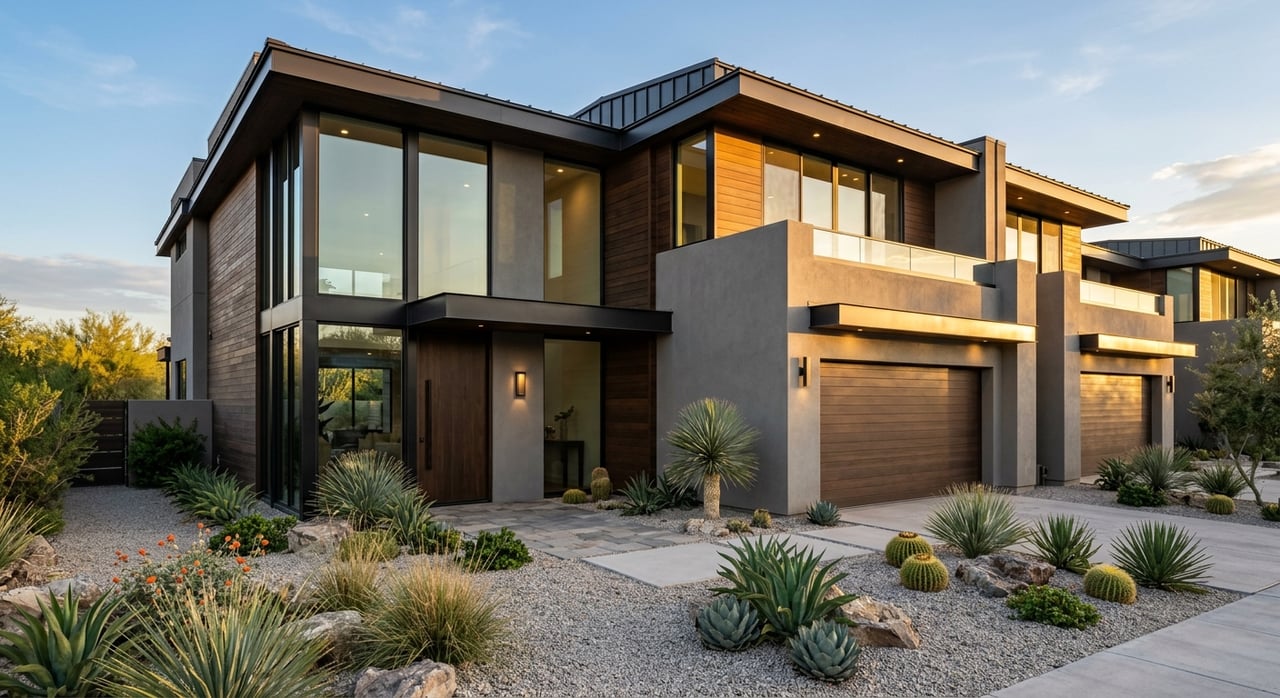
Central Phoenix Condos vs Townhomes: How to Choose
April 16, 2026
April 16, 2026
Trying to choose between a condo and a townhome in central Phoenix? You are not alone. Many buyers assume the difference comes down to building style, but in Arizona, the bigger issue is often how the property is legally owned and managed. If you want the right fit for your lifestyle, budget, and long-term plans, it helps to look past the listing label and dig into the details. Let’s dive in.
In central Phoenix, a property marketed as a “townhome” may not be all that different from a condo at first glance. Both can offer attached living, shared walls, HOA dues, and low-maintenance appeal.
The key difference in Arizona is legal structure. Under Arizona law, a condominium is a form of ownership where you own your unit separately, while the common elements are owned together by the unit owners. A planned community is a separate category, and Arizona guidance notes that townhouse projects are often treated as planned unit developments, where the owner typically owns the land under the unit as well. You can review the condominium statute at the Arizona Legislature and the ownership guidance in the Arizona Department of Revenue land manual.
That means the word “townhome” in a listing does not settle the question. The recorded declaration, CC&Rs, and association documents are what tell you whether a property is legally a condo or part of a planned community.
The ownership setup affects more than paperwork. It can shape your maintenance responsibilities, what your HOA fee covers, your control over the land, and even future plans like renting the property out.
With a condo, more of the property is usually held in common. With a townhouse-style planned community, the owner often has private ownership of the land under the unit. For many buyers, that difference matters because it changes the balance between personal responsibility and association-managed upkeep.
If you want a true lock-and-leave setup, a condo may check more boxes. If you want more control over your exterior space or the feel of owning the lot beneath your home, a townhome-style planned community may be a better match.
In real life, your choice often comes down to how you want to live day to day. Central Phoenix offers both options, but they tend to show up in different forms and settings.
City planning documents describe Central City as Phoenix’s urban center, where future housing is expected to include more high-density condominiums and apartments. This helps explain why condo-style living is more common in downtown and along major urban corridors like parts of Midtown. You can see that planning context on the City of Phoenix Central City Village page.
Concrete examples include Renaissance Park, Portland Place, and Portland on the Park, all cited in downtown redevelopment materials from the city. These types of properties often appeal to buyers who want shared amenities, central locations, and less individual exterior maintenance. The city’s redevelopment report highlights these projects in its downtown housing overview.
Townhomes in central Phoenix often appear in infill or transition projects rather than larger towers. Examples in city documents include Art HAUS at Central Avenue and McDowell Road, Artisan Village in Roosevelt, and the townhome component at 11th Street and McDowell Road near Coronado.
These projects often emphasize features buyers ask for, such as private garages, front porches, or more defined entry spaces. In the 11th Street and McDowell Road project narrative, the city describes the townhomes as having a private garage and front porch, while the broader multifamily portion includes shared amenities like a pool, clubhouse, courtyard, and structured parking. You can review those details in the City of Phoenix PUD narrative.
Once you narrow down neighborhoods or projects, focus on the details that affect your daily life. The best fit is usually the property that aligns with your priorities, not the one with the most familiar label.
Ask what the association handles and what stays on your plate. A condo association may cover more of the building and common areas because more of the property is owned in common.
A townhome-style planned community may leave more maintenance to you, especially if you own the land under the unit. That is why comparing the monthly HOA fee alone is not enough. You need to know exactly what services and responsibilities come with it.
If having a porch, yard area, or a more private entry matters to you, some townhome projects may feel more natural. Condo living can still include outdoor space, but the amount and type often depend on the building design and governing documents.
In central Phoenix, denser condo and mixed-use projects often rely more on shared amenities and structured parking. If you care more about a rooftop, pool, or clubhouse than a small private outdoor area, a condo may be a strong fit.
Parking can vary widely from one property to another. Some condo projects rely on structured parking, while many townhome-style developments emphasize attached private garages.
Do not assume anything from the photos. Confirm whether parking is deeded, assigned, shared, covered, or enclosed, and check whether guest parking rules are spelled out in the association documents.
If you might rent out the property later, verify that early. Arizona law allows condo resale disclosures to include rental information, and governing documents can limit or prohibit rentals. You can review the resale disclosure statute at the Arizona Legislature.
This matters for investors, part-time residents, and buyers who want flexibility later. A property that looks perfect today may not support your long-term plan if the rental rules are too restrictive.
Before you buy, the smart move is to read the documents that explain how the property really works. In Arizona, both condos and planned communities have specific disclosure requirements for buyers.
For resale properties, Arizona requires a condo resale packet under A.R.S. § 33-1260 and a planned community resale packet under A.R.S. § 33-1806. These packets typically include governing documents, assessment information, and other association details.
For new construction, the Arizona Department of Real Estate says the Public Report must be provided before signing. That report includes information on common facilities, taxes, assessments, and association details. ADRE also advises buyers to read CC&Rs carefully because they may restrict things like landscaping, RV parking, signs, satellite antennas, and other exterior uses. You can see that guidance in the Arizona property buyer checklist.
A few items deserve special attention:
Arizona law also gives members certain rights related to association transparency. Both condominium and planned community associations must hold open meetings for members and make certain records reasonably available, subject to limited exceptions. You can review those requirements in A.R.S. § 33-1248.
There is no one-size-fits-all answer in central Phoenix. The better question is which setup matches how you want to live.
A condo may be a better fit if you want:
A townhome may be a better fit if you want:
In many central Phoenix searches, the right answer comes down to project-by-project review. Two homes with nearly identical layouts can come with very different ownership structures, HOA rules, and maintenance obligations.
The fastest way to narrow your options is to compare each property using the same checklist. That helps you avoid getting distracted by staging, marketing language, or the word “townhome” in the listing.
When you tour or review listings, ask:
If you are buying in central Phoenix, this level of review can save you from surprises after closing. It also helps you focus on the properties that truly fit your lifestyle and financial goals.
Whether you are looking for a low-maintenance condo downtown or a townhome with a garage and a little more separation, the details matter. If you want help comparing central Phoenix options and reviewing what each property really offers, connect with The Ackerman Team for clear guidance and full-service support throughout your search.
September 17, 2026
September 10, 2026
September 3, 2026
Blog
August 28, 2026
August 27, 2026
August 20, 2026
August 13, 2026
August 6, 2026
August 6, 2026
The Ackerman Team is dedicated to providing you with exceptional service and unparalleled expertise. Reach out to us today.