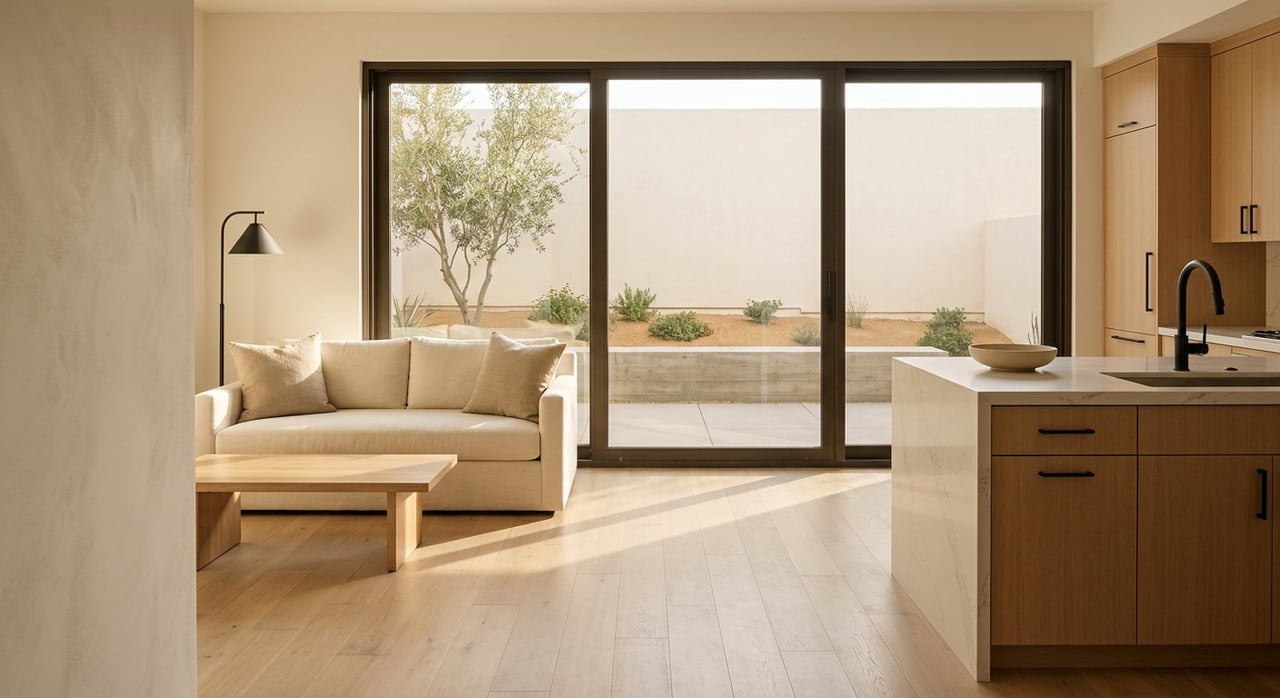
Buying Near ASU Tempe: Condos, Townhomes, or Homes
April 23, 2026
April 23, 2026
If you want to buy near Arizona State University in Tempe, the first big question is not just where to live. It is how you want to live. The blocks closest to ASU can feel very different from nearby residential pockets, and the right fit often comes down to your daily routine, transportation habits, and comfort with HOA rules. In this guide, you’ll learn how condos, townhomes, and single-family homes compare near ASU Tempe so you can make a smarter decision with confidence. Let’s dive in.
The area around ASU Tempe sits in one of the city’s most urban, transit-oriented environments. According to the City of Tempe’s character area planning framework, the downtown, Rio Salado, ASU, and surrounding neighborhoods are part of a long-term growth area shaped by urban living, neighborhood hubs, and stronger pedestrian, bike, and transit connections.
That matters when you are choosing a home. You are not only picking a property type. You are also choosing how close you want to be to light rail, streetcar access, walkable destinations, campus activity, and event-related energy.
The city also describes Downtown Tempe, Mill, Novus, and Apache as key mixed-use and transit-connected areas. In practical terms, that means attached housing options like condos and townhomes tend to make the most sense in the closest-in urban zones, while single-family homes are more common in established nearby neighborhoods.
Condos are often the most straightforward choice if your top priority is convenience. If you want short trips to campus, easy access to downtown Tempe, and a lower-maintenance ownership experience, a condo can be a strong match.
Near the ASU core, condos typically align best with the urban setting the city describes in Downtown Tempe, Novus, and Apache. These are the kinds of places where transit access, mixed-use development, and multi-family housing all come together in one area.
A condo may be the right fit if you want:
Transportation is a real factor here. ASU says students commonly use walking, biking, skateboarding, driving, free shuttles, light rail, and buses, and the university maintains walk-only zones on the Tempe campus to improve safety during heavy foot traffic times.
If you do not want to rely on a car every day, this part of Tempe can work in your favor. Tempe’s Orbit shuttle system is free, serves neighborhoods, and runs seven days a week, with 15-minute frequency on most routes.
The biggest tradeoff is usually shared governance. Tempe notes that most condominium developments have homeowners’ associations, and HOAs can collect mandatory fees while enforcing maintenance and design standards through formal rules and oversight.
Before you buy, review the HOA carefully. You will want to understand monthly costs, what the dues cover, maintenance responsibilities, and whether the rules fit your future plans.
Townhomes are often the middle-ground option. If you want more room than a typical condo but still want to stay near campus and within Tempe’s walkable, transit-connected areas, a townhome can offer a good balance.
For many buyers, the appeal is simple. You may get more separation, a more house-like layout, and sometimes a garage feel, while still avoiding some of the yard work and upkeep that often comes with detached housing.
A townhome may fit best if you want:
Townhomes can be a smart option if you want access to the ASU area but need your home to function a little more like a traditional residence. That can be especially useful if you expect to stay for more than a short school timeline.
Like condos, townhomes near ASU often come with HOA oversight. Tempe’s homeowners’ association guidance makes clear that most condo and townhome developments, and even some newer single-family subdivisions, have mandatory associations.
That means you should look beyond the floor plan. Review the HOA rules, fees, maintenance obligations, and any community restrictions early, especially if you are thinking about future rental use, roommates, or a flexible exit strategy.
If you want a more traditional residential feel while staying close to campus, single-family homes can offer a different experience. Instead of being in the middle of the downtown and campus bustle, you may be in an established neighborhood that still keeps you near ASU.
Tempe’s official neighborhood materials point to examples like Maple-Ash, University Park, and Mitchell Park as useful reference points for this type of housing. These areas help show what nearby detached-home living can look like.
Tempe says Maple-Ash sits just west of ASU and includes homes built primarily during the first half of the 20th century. The city notes mature flood-irrigated landscaping and bungalow-style houses, which gives the area a more established residential character.
The city describes University Park as an 80-acre neighborhood built in the 1940s and 1950s immediately south of campus and a short distance southeast of downtown. Tempe also says the vast majority of its properties are single-family residences.
Tempe’s neighborhood information groups Mitchell Park East and West among west Tempe neighborhoods developed after World War II. The city says these areas were designed to support getting around by bicycle, bus, or walking while reducing cut-through traffic.
A detached home may be the best fit if you want:
This option tends to appeal to buyers who want to stay near ASU without living in the center of the urban core. If your goal is proximity with a more residential setting, single-family homes deserve a close look.
One of the biggest decisions near ASU is how you want to balance convenience with day-to-day atmosphere. The closest-in downtown, Mill, and campus areas are intentionally urban and active. The city highlights special events, high-rise offices, hotels, light rail, streetcar service, and university activity in Downtown Tempe and nearby innovation hubs.
That usually means more pedestrian traffic and more activity overall. ASU’s walk-only zones are another sign of how busy the campus environment can be during peak times.
By contrast, areas like Maple-Ash, University Park, and Mitchell Park can offer a more traditional residential feel while still keeping you close to campus. For many buyers, that difference matters just as much as the home itself.
Near ASU, transportation is not an afterthought. It is part of the buying decision.
ASU supports bike use on campus, including bike parking and bike valet options. Combined with walking, light rail, buses, shuttles, and Orbit, many trips in this area can happen without depending heavily on a car.
That means the best home for you may not be the one with the biggest layout. It may be the one that fits how you actually move through Tempe each day.
Ask yourself:
If you are buying a condo or townhome near ASU, HOA review should be one of your first steps, not your last. Tempe is very clear that most condo and townhome communities have associations with mandatory fees and enforceable rules.
That can be perfectly manageable, but only if you know what you are buying into. Review the documents carefully so you understand fees, maintenance standards, property use rules, and how the association operates.
This is especially important if you think your needs may change later. A home that works well for you today should also align with your future plans as much as possible.
Here is a simple way to think about it:
A condo is often best if you want low-maintenance ownership, a highly connected location, and the shortest path to campus and downtown activity.
A townhome is often best if you want more space and a more residential layout than a condo, but still value proximity, convenience, and easier upkeep than many detached homes.
A detached home is often best if you want privacy, an established neighborhood setting, and a longer-term ownership feel while remaining close to ASU.
Buying near ASU Tempe is less about finding the universally “best” property type and more about finding the right match for your lifestyle. Condos, townhomes, and single-family homes each solve a different problem, and the right choice depends on how you want to live, commute, and own.
If you want help comparing neighborhoods, reviewing tradeoffs, and narrowing down the right fit near campus, The Ackerman Team can guide you through the process with local insight and full-service support.
September 17, 2026
September 10, 2026
September 3, 2026
Blog
August 28, 2026
August 27, 2026
August 20, 2026
August 13, 2026
August 6, 2026
August 6, 2026
The Ackerman Team is dedicated to providing you with exceptional service and unparalleled expertise. Reach out to us today.