Dreaming of a classic Willo bungalow or a storybook Encanto–Palmscroft cottage but wondering what you can change and how to buy with confidence? You’re not alone. Phoenix’s historic districts offer charm and location, yet they come with rules that affect renovations, timelines, and costs. In this guide, you’ll learn how local designation works, what approvals you may need, the true scope of renovation limits, and a step-by-step due diligence plan so you can purchase wisely. Let’s dive in.
What “historic district” means in Phoenix
Historic designation in Phoenix can be local, state, or national, and each one does something different for you as a buyer.
- Local historic designation: The City of Phoenix administers local historic districts through its Historic Preservation program. Local designation is the one that directly affects what you can change on a home’s exterior. Learn more on the City’s Historic Preservation page at the City of Phoenix Historic Preservation Office.
- National Register of Historic Places (NRHP): This is a federal recognition of significance. It usually does not restrict a private owner’s changes unless federal permits or funding are involved. For basics, see the National Park Service overview of the National Register.
- Arizona State Historic Preservation Office (AZ SHPO): The state office supports NRHP nominations and provides technical guidance, plus insights into potential incentives or certified rehab standards. Explore their resources through the Arizona State Historic Preservation Office.
Bottom line: Local designation controls changes. National and state listings are largely honorific for typical homeowners.
Phoenix districts and home styles
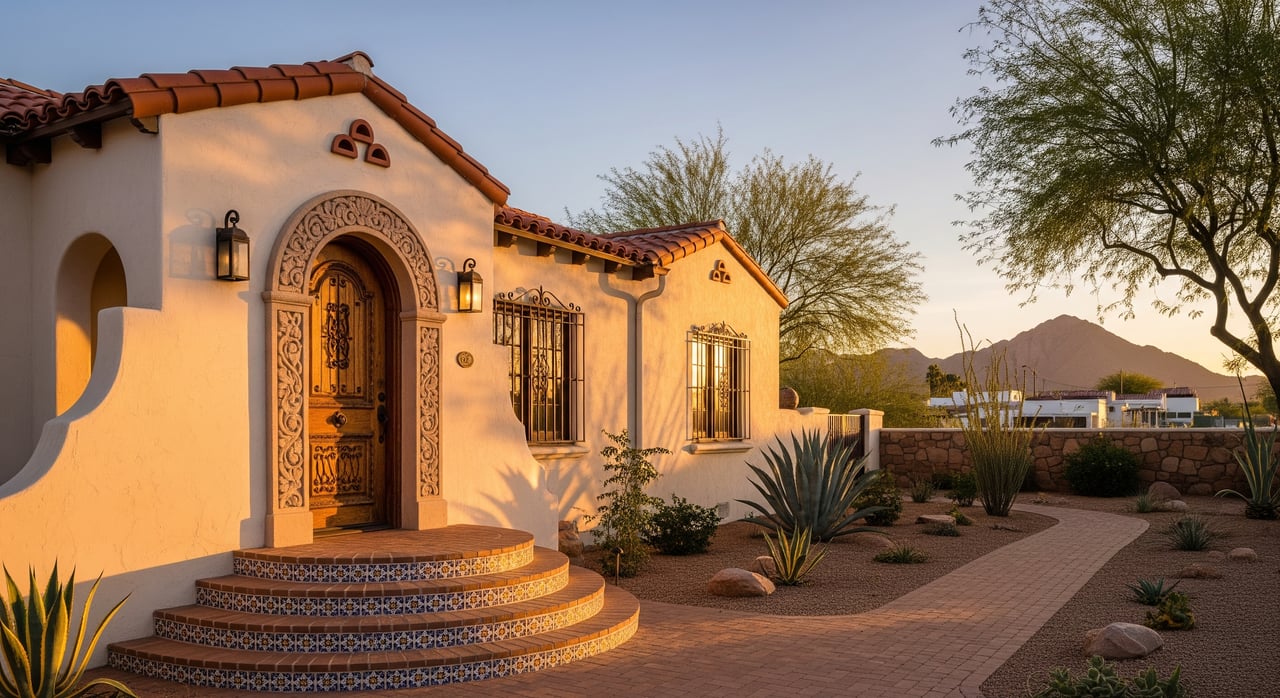
Many central Phoenix districts developed in the early-to-mid 20th century, with architectural styles such as Craftsman bungalows and Period Revival influences (Spanish/Mission and Tudor). You will also find early suburban forms and, in some areas, mid-century homes.
- Willo Historic District: Early 1900s to 1930s, known for bungalows and Revival styles.
- Encanto–Palmcroft Historic District: Largely 1920s–1930s, with larger period-revival homes and landscaped lots.
- Coronado Historic District: Early 20th-century mix of bungalows and modest Revival houses.
Within each district, homes are classified as “contributing” or “non-contributing.” Contributing properties retain historic character and typically face stricter review for street-visible exterior changes. Non-contributing properties are generally more flexible.
Local rules to know before you buy
Local historic districts in Phoenix have design guidelines and review processes for exterior work visible from the public right-of-way. This can include changes to roofs, porches, primary windows and doors, building massing, front-yard fences, and street-facing additions.
- Approval types: Depending on the scope, you may need administrative staff approval or a formal Certificate of Appropriateness. Start with the City’s guidance on Certificates of Appropriateness.
- Demolition review: Demolition of a contributing structure usually undergoes a rigorous review. It can be delayed or denied, and replacement design must be compatible.
- Zoning overlays: The historic overlay works alongside base zoning. Additional overlays or area plans may apply, so always confirm the full set of rules for your parcel.
Expect longer lead times for approvals and permits. Plan for weeks to months for design review and be ready for requests to adjust materials or details.
What’s typically regulated vs. not
- Exterior, street-visible work: This is where rules concentrate. Rooflines, façades, porch details, window and door changes, and front-yard features often need approval.
- Additions and accessory structures: Rear or side additions may be feasible if they are subordinate and minimize visibility from the street. New garages are often allowed when sited and detailed to reduce visual impact.
- Windows and energy upgrades: Original windows are usually considered character-defining features. Repair or in-kind replacement may be required; storm windows and interior solutions are often better options than full replacement.
- Interior work: Most interior changes are not regulated by local historic districts, but they still need permits and must meet code.
Cost, timeline, and contractor realities
Preservation-grade work usually costs more and takes longer for approvals and craftsmanship.
- Materials and methods: Guidelines often favor retaining original materials. When replacements are approved, in-kind materials or visually compatible alternatives may be required.
- Hazards and legacy systems: Older homes may include lead-based paint and, in some cases, asbestos-containing materials. Budget for testing and abatement as needed.
- Skilled trades: You will likely need contractors who know historic restoration. Verify licensure with the Arizona Registrar of Contractors and seek bids early.
Build contingency into both budget and schedule. A flexible timeline helps you navigate design tweaks and required documentation without stress.
Step-by-step due diligence
A smart due diligence plan sets you up for a smooth purchase and renovation.
Before you write an offer
- Verify historic status: Confirm if the property sits in a local historic district and whether it is contributing or non-contributing. Start with the City of Phoenix Historic Preservation Office.
- Get the district documents: Obtain the city’s historic property report or designation documentation that outlines guidelines and status.
- Review zoning and overlays: Request a zoning printout from Planning & Development and note any special overlays.
- Ask for permit history: Request prior Certificates of Appropriateness, design review approvals, and major repair records.
- Check CC&Rs or neighborhood review: Some associations have voluntary or binding design review expectations. Read them early.
- Title and easements: Confirm any preservation easements, covenants, or deed restrictions on title. You can search public records through the Maricopa County Recorder and property details with the Maricopa County Assessor.
Inspections and specialists
- Older-home inspection: Hire an inspector who regularly evaluates historic or early 20th-century homes.
- Historic consultant: For big plans, a preservation consultant can flag character-defining features and likely approval paths.
- Contractor bids: Interview firms with historic rehab experience and check licensing via the Arizona Registrar of Contractors.
- Hazardous materials testing: Plan for lead, potential asbestos, and legacy systems assessments.
Financing, appraisal, and insurance
- Appraisals: Unique homes may need specialized appraisal approaches. Your lender can guide requirements.
- Renovation loans: If you want to finance improvements, explore HUD’s FHA 203(k) rehab loan for owner-occupied purchases, as well as conventional renovation products.
- Insurance: Request quotes early. Replacement costs for historic features can be higher, so disclose age and materials to carriers.
During escrow
- Approvals contingency: If you plan changes, consider conditioning your purchase on obtaining needed design approvals or initial staff feedback.
- Extra time: Build added time into your escrow to gather records, meet with city staff, and finalize a compliant plan.
After closing
- Pre-application meeting: Touch base with city preservation staff to confirm expectations.
- Submittal package: Prepare drawings, materials lists, and photos that show compatibility with the district.
- Approvals: Obtain the required certificate or administrative sign-off before work begins, and keep records for future resale.
National vs. local: why it matters for you
A National Register listing may boost pride of place and offer limited incentives, but it usually does not restrict your private renovations. The local historic district overlay is what governs exterior, street-visible changes and demolition. For clarity on federal recognition, read the National Park Service overview of the National Register. For local procedures, connect with the City of Phoenix Historic Preservation Office.
Smart renovation planning
If you plan to update or expand after you buy, be strategic.
- Start with what is visible: Identify every street-visible change you want, then map each one to city review steps.
- Preserve first: Retaining original windows, trim, and porch details often leads to faster approvals. Repairs or in-kind replacements are usually preferred.
- Place additions thoughtfully: Keep additions subordinate and limit their visibility from the street. Consider rear or side locations and compatible materials.
- Document everything: Photos, dimensions, and product cut sheets help staff evaluate compatibility.
- Be flexible: Expect conditions such as material substitutions or detail changes to preserve character.
For technical guidance and potential programs, check the Arizona State Historic Preservation Office and speak with City preservation staff early.
How The Ackerman Team helps you buy well
Buying in historic Phoenix is about loving the character and planning the process. You need market access, due diligence discipline, and negotiation strength to secure the right home on the right terms.
Here is how we support you:
- Pricing and comps: We analyze contributing vs. non-contributing status, location within the district, and recent approval history to position your offer.
- Offer strategy: We help you structure timelines and contingencies that respect review steps while keeping you competitive.
- Due diligence coordination: Our concierge-style transaction team organizes inspection specialists, pulls permit histories, and coordinates early conversations with city staff.
- Sourcing options: In addition to on-market listings, we leverage brokerage tools to uncover opportunities that fit your style and renovation goals in central Phoenix districts.
If you want a charming historic home without surprises, you need a steady, knowledgeable partner. Connect with The Ackerman Team to plan your next move.
FAQs
What rules apply to exterior changes in Phoenix historic districts?
- Exterior, street-visible work usually requires design review or a Certificate of Appropriateness through the City’s Historic Preservation program, while interior work typically follows standard building codes and permits.
What is the difference between National Register and local designation?
- National Register listing is mostly honorific for private owners, while the local historic overlay sets enforceable design guidelines and approvals for street-visible work and demolition.
Can I replace original windows in a historic Phoenix home?
- Often, yes, but repairs or in-kind replacements are preferred for contributing properties; staff may suggest storm windows or interior solutions to preserve original sash.
Can I add a garage or an addition to a contributing home?
- Typically, yes, if the design is subordinate, sited to minimize street visibility, and uses compatible materials and scale; expect review and conditions.
How hard is it to demolish a contributing historic house?
- Demolition of a contributing structure faces the highest scrutiny and can be delayed or denied; any replacement must meet compatibility guidelines.
How long do design approvals usually take?
- Timelines vary by scope and review level, but plan for weeks to months and build this into your escrow and construction schedule.
Are there incentives or loans for historic home renovations?
- Incentives can be limited for primary residences; however, you can explore renovation financing such as HUD’s FHA 203(k) for owner-occupants and check with AZ SHPO and the City for current programs.