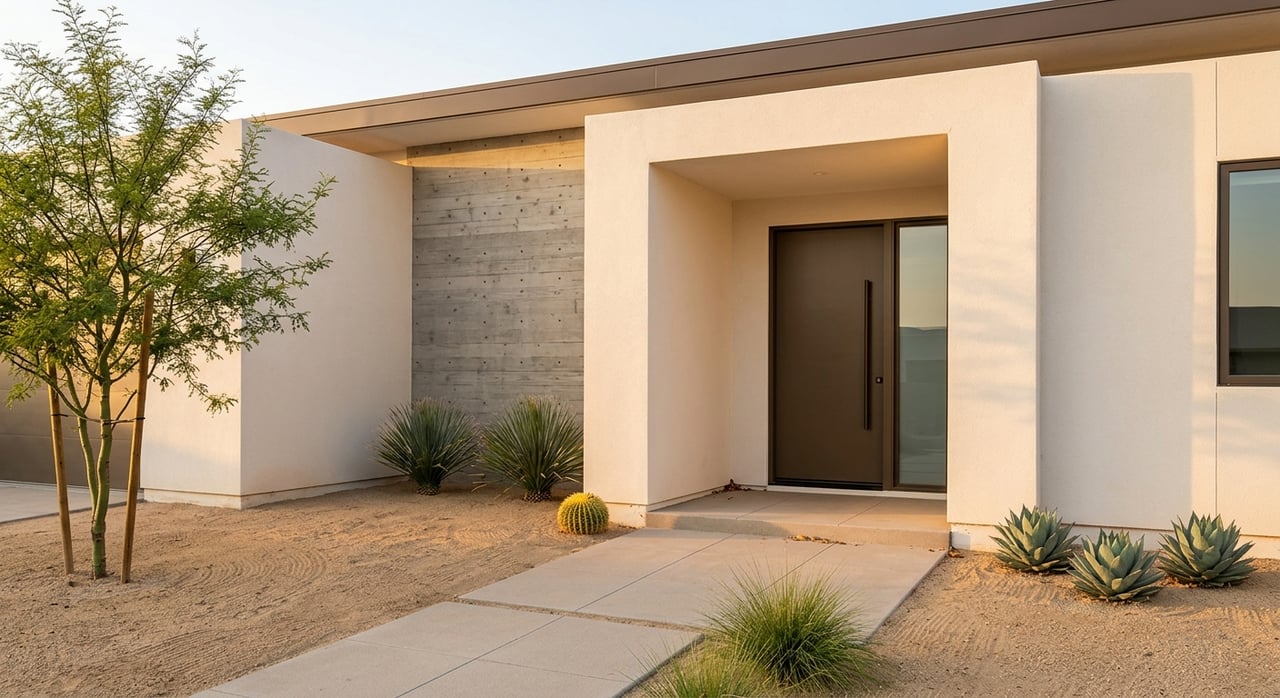
Surprise New-Build Communities: What Buyers Should Know
June 18, 2026
June 18, 2026
Thinking about a brand-new home in Surprise? You are not alone. New construction is a major part of this fast-growing northwest Valley market, and with plenty of land still available for development, buyers have real choices. If you want to understand where new-build communities are concentrated, how builder pricing works, and what to ask before you sign, this guide will help you shop with more clarity and confidence. Let’s dive in.
Surprise continues to attract buyers who want newer homes, modern layouts, and communities with room to grow. According to city economic-development materials, the planning area is only about 25 percent built out, and the city-center area still has more than 300 acres of available land.
That matters because it helps explain why new construction remains such a visible part of the local housing market. It also means that when you buy in Surprise, you may be purchasing in an area where nearby land is still changing over time.
City materials identify several active residential development areas in Surprise, including Asante, Asante Trails, Marley Park, Rancho Gabriela, Greer Ranch, Surprise Farms, Sierra Montana, and Sterling Grove. These areas give buyers a wide range of community settings and home types to compare.
Some communities are positioned around different product levels. City materials describe Sterling Grove as executive-level homes, while several other communities are categorized as mid-high level homes.
You should also know that some new-build communities have age restrictions. For example, Asante Heritage is marketed as a 55-and-better community, so it is important to confirm eligibility before you spend time touring homes there.
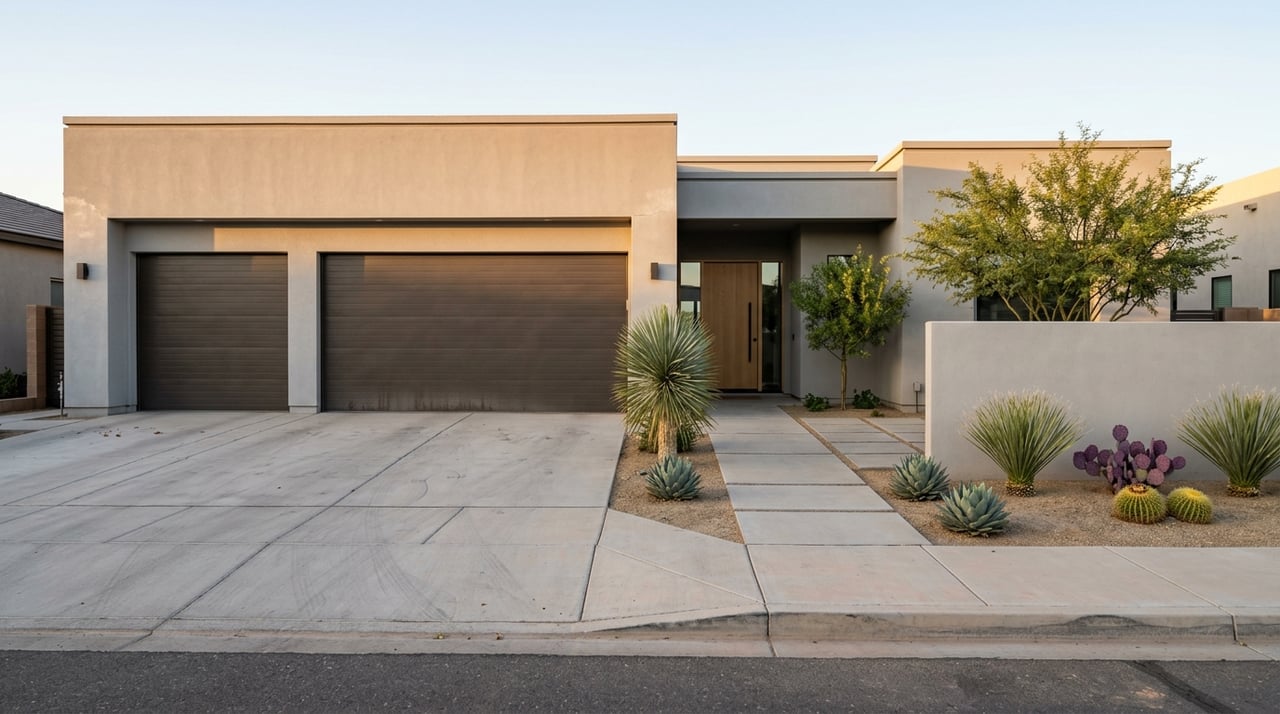
Many Surprise new-build floorplans reflect what today’s buyers tend to want most: open-concept living, flexible space, and easy indoor-outdoor flow. Current builder offerings in the area commonly feature great room, kitchen, and dining layouts, along with covered patios and flex rooms.
You will also see options geared toward multigenerational living. In some communities, builders offer Next Gen or similar suite-style layouts that give households a little more separation and flexibility.
That pattern shows up across several active builders in Surprise, including Lennar, KB Home, and Toll Brothers. Even when communities target different price points or lifestyles, the overall design trends are fairly consistent.
Here is a snapshot of the kinds of homes currently offered in Surprise new-build communities:
Model homes are helpful, but they can also create confusion if you assume everything you see is included in the base price. Builders note that model homes often display designer-selected features, upgraded finishes, and landscaping that may not match the standard home.
KB Home specifically notes that renderings and model-home landscaping may differ from the actual home, and that base prices do not include options, homesite premiums, or HOA fees. Toll Brothers also points out that model homes may include designer-appointed features.
That is why one of the smartest things you can do during a tour is separate the home into pricing buckets. Ask what is included as standard, what counts as an upgrade, and whether the lot itself carries a premium.
Not every new home purchase follows the same timeline. In Surprise, it helps to separate move-in ready, quick move-in, and to-be-built homes before you compare pricing or decide how fast you need to move.
A move-in-ready home is generally complete or very close to complete. A quick-move-in home may still be under construction but already has a set plan, homesite, and estimated completion date. A to-be-built home usually gives you more opportunity to choose finishes or options, but it also comes with a longer timeline.
Current Surprise inventory includes move-in-ready homes in communities like Asante Heritage and quick-move-in homes in Sterling Grove with estimated completion dates extending into summer 2026. Buyers should also remember that Lennar states the closing date in the purchase agreement is only an estimate.
If you are building from the ground up, timing matters. KB Home states that the average build time is about four to five months from start to completion, with another 30 to 50 days often spent on preconstruction steps like financing, design selections, and permit work.
That means your total timeline may be longer than many buyers first expect. Weather and local permitting can also affect the schedule, so it is wise to plan with some flexibility.
Before you commit, ask the builder for the estimated completion date in writing and ask what happens if construction runs long. That one question can make a big difference when you are lining up a lease ending, a home sale, or a relocation move.
One of the biggest attractions in the new-build market is the possibility of builder incentives. In the Phoenix area, recent promotions from builders have included rate buydowns, discount points, and closing-cost credits on select homes.
The catch is that these offers are often time-limited and tied to specific inventory. They may also require you to use a preferred lender, a preferred title company, or meet a narrow sign-and-close deadline.
Because of that, do not compare homes based on headline pricing alone. Ask for the current price sheet, confirm the homesite premium, and find out exactly which incentives apply to the home you are considering right now.
This is one of the most important things buyers should understand before their first model-home visit. In a new-home sales office, the on-site consultant usually works for the builder, not for you.
Builder materials make this clear. Lennar says its New Home Consultant represents Lennar and is not the buyer’s broker, while Toll Brothers and KB Home both note that buyer-agent registration rules can affect eligibility for co-op compensation.
If you want your own representation, the timing matters. KB Home says a written buyer-broker agreement must predate the purchase agreement and that the agent must accompany the client on the first visit to qualify for co-op compensation.
Arizona buyers have an important protection that applies to subdivision purchases. The Arizona Department of Real Estate says the Public Report must be provided before you sign a subdivision purchase contract.
That report can help you understand utilities, common facilities, completion assurances, taxes and assessments, HOA details, and nearby services. It is one of the key documents that can give you a clearer picture of what you are buying beyond the floorplan itself.
The Department of Real Estate also recommends reading CC&Rs, checking school district boundaries, verifying the builder’s status with the Registrar of Contractors, and reviewing local zoning when nearby land is vacant. In Surprise, the city makes that easier by posting planning and zoning resources online, including development maps, zoning verification, PAD information, development ordinances, and design standards.
Because Surprise still has significant land available for development, what surrounds a community today may not look the same a few years from now. That does not make a new-build purchase good or bad on its own, but it does mean you should do a little more homework if a subdivision borders open land.
Check city planning resources and review zoning and development maps before you move forward. This can help you better understand whether adjacent land is likely to stay similar, transition into another residential phase, or change into a different type of planned use.
For buyers thinking long term, this step is especially valuable. It helps you make a more informed comparison between a resale home in a fully established area and a new home in a still-evolving part of Surprise.
When you walk into a sales office, keep your questions simple and specific. These are often the details that have the biggest impact on your budget, timeline, and overall experience.
Buying a new-build home in Surprise can give you access to modern layouts, fresh inventory, and communities with a wide range of home sizes and lifestyles. At the same time, it pays to look past the model-home finish package and ask practical questions about pricing, incentives, timelines, documents, and surrounding land use.
When you understand how the process works, you can compare new construction and resale homes more accurately. That kind of clarity helps you make a decision that fits both your budget and your plans for the future.
If you are weighing new construction in Surprise and want steady guidance from search to close, The Ackerman Team can help you navigate the details with a clear plan and local market insight.
July 23, 2026
July 16, 2026
July 14, 2026
July 9, 2026
Real Estate
July 5, 2026
July 2, 2026
June 25, 2026
June 18, 2026
June 11, 2026
The Ackerman Team is dedicated to providing you with exceptional service and unparalleled expertise. Reach out to us today.